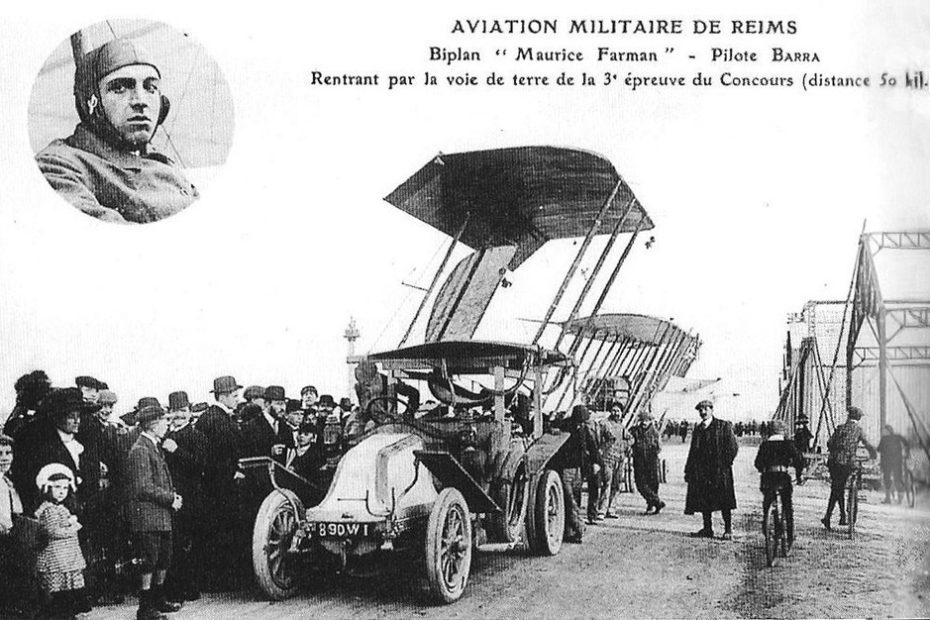

The aeronautical history of the Reims region truly took off in 1908, when the Franco-British aviator Henri Farman completed a 27-kilometer aerial journey between Bouy and Reims in just 20 minutes. This flight went down in history as the first-ever “city-to-city” flight. A year later, Bétheny hosted the “Grande Semaine d’Aviation de la Champagne”, the world’s first international air meet. Growing tensions in Europe soon led the French government to take a strategic interest in aviation as a potential weapon of war, organizing in 1911 the Grand Military Aviation Contest at the Camp de Châlons.
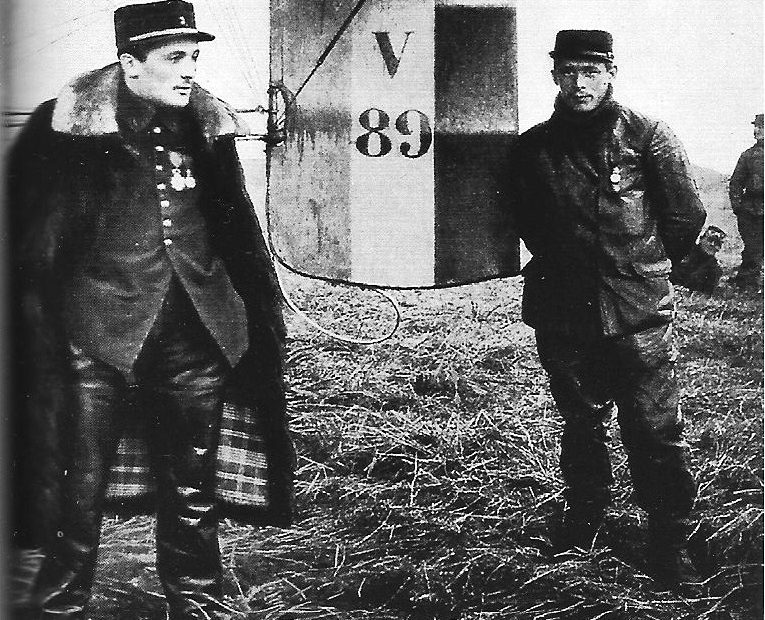
During the Great War, aviation played an increasingly strategic role. Aircraft were used for observation, intelligence gathering, and the first bombing missions. On October 5, 1914, a historic event took place near Muizon: two French aviators, Joseph Frantz and Louis Quénault, achieved the first aerial victory in the history of aviation by shooting down a German aircraft.
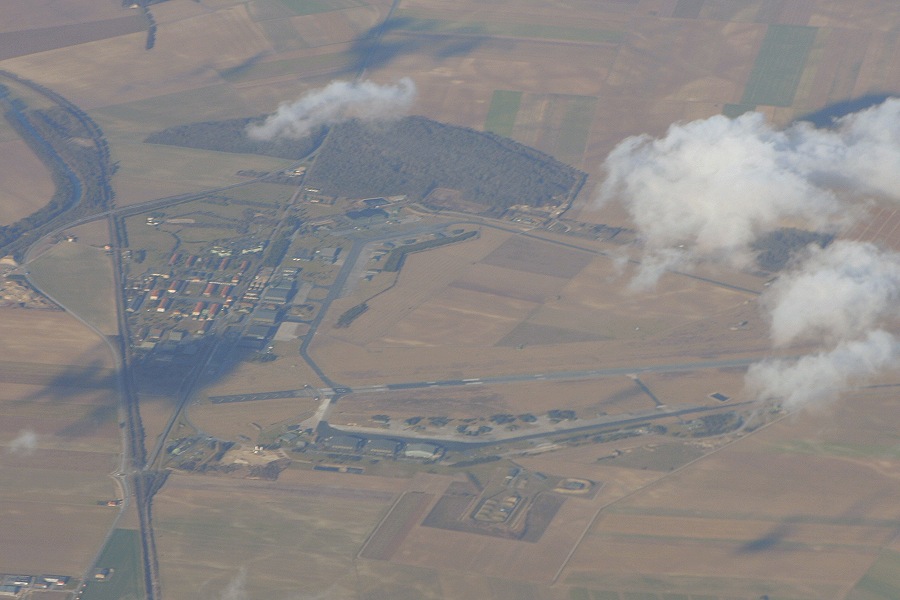
In 1928, in Bétheny, the French Air Force built one of its most important air facilities — Air Base 112 Reims-Champagne, specializing in tactical aerial reconnaissance. At the same time, civil aviation was expanding, with modernized infrastructure and increasingly advanced aircraft. During the Second World War, several airfields in the Marne were used successively by French, German, and Allied forces, confirming the strategic importance of the region.
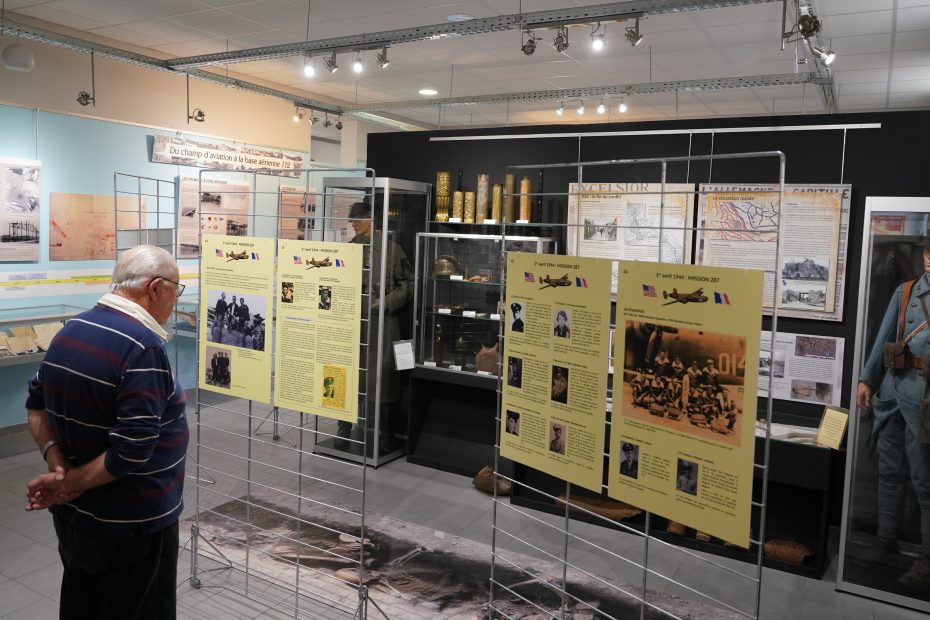
After 1945, aviation activity in the region remained strong. Air Base 112 Reims-Champagne became a major military hub until its closure in 2011. Today, the memory of this rich aeronautical history is preserved through several local initiatives, notably the Local Aeronautics Museum of Bétheny, which retraces the evolution of aviation in the region and pays tribute to the pioneers, pilots, and technicians who helped shape its story.