
Over the course of a hundred years, aircraft have evolved and adopted many different forms. Behind this diversity lies a very simple logic: conquering the skies while adapting to the constraints of flight and to our needs.
Civil and Commercial Aircraft: Sky for Everyone
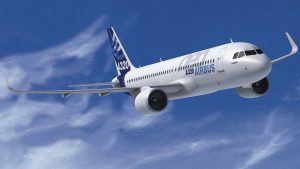
The general public is undoubtedly most familiar with civil aviation. It enables the transport of millions of passengers every day while ensuring that goods circulate around the world. Commercial aircraft, such as the Airbus A320, were designed with speed, safety, and efficiency in mind. Added to this is general aviation, which includes business flights as well as leisure flying. While smaller aircraft like the Cessna 172 allow amateur pilots to take to the skies, business jets such as the Gulfstream G700 quickly connect cities for professional missions. Aviation is therefore not only a mass-transport tool but can also be highly flexible.
Military Aircraft: Speed, Power, and Strategy
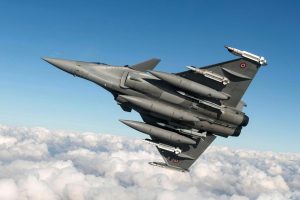
Military aircraft represent the cutting edge of aeronautical technology. Their objectives include defending national territory as well as transporting troops or performing aerial refueling. Fighter jets such as the Rafale, the flagship of the French aerospace industry, are designed to dominate adversaries in the event of an aerial conflict. It is essential to make them highly maneuverable, fast, and equipped with advanced systems. Transport and refueling aircraft ensure the logistics indispensable to military operations. Finally, surveillance aircraft detect and analyze threats before they even become visible, providing a crucial strategic advantage. Military aviation is not limited to combat: it is also a tool for planning, protection, and coordination.
Rotorcraft: Vertical Freedom
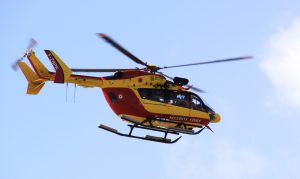
Rotorcraft, the most well-known representative being the helicopter, are unique because they can take off and land vertically. This is why they are indispensable in mountain rescue operations, emergency medical missions, and military operations in hard-to-reach areas. The autogyro, invented in the 1920s, uses a free-spinning rotor and a propulsive engine, while modern tiltrotors combine the speed of an airplane with the maneuverability of a helicopter. Rotorcraft embody the constant pursuit of adaptability and mastery of the skies, even in extreme conditions.
Wings of Progress
Each type of aircraft reminds us that behind them, men and women chose to challenge gravity and succeeded in adapting to society’s needs through their ingenuity. From the modest biplanes of aviation pioneers to ultra-sophisticated commercial aircraft, aviation continues to diversify and transform the way we connect with the world.